Beyond the Prompt
What’s the price of our newfound freedom?
What’s the price of our newfound freedom?
Overview
“Beyond the Prompt” is an animated infographic film that explores the personal use of artificial intelligence within a design degree. Using estimated data from one semester, the film visualizes the tension between increased efficiency and the potential loss of fundamental creative skills. Drawing on the aesthetics of data-driven year-in-review formats like “Wrapped,” the project transforms the abstract debate around AI into a tangible, personal experience—inviting critical self-reflection.
project
Infographics (solo project)
semester
Summer 2025
focus / role
Concept Development Art Direction Motion Graphics
software
Figma Adobe Illustrator Adobe After Effects Adobe Premiere Pro
ai assistance
Chat GPT Gemini Eleven Labs
Project Details
problem
The discourse surrounding artificial intelligence in design is often polarized and abstract—caught between technological hype and dystopian warnings. For designers and students alike, this makes it difficult to form an informed, independent perspective. What’s missing are relatable narratives that capture the everyday ambivalence of using AI: its immediate benefits and its hidden costs.
insight
To make the abstract debate tangible, it needs to be brought down to a personal level. A data-driven, narrative case study in the familiar “Wrapped” format offers an accessible entry point into this complex topic. By visualizing one’s own usage data, the consequences of individual actions become immediately visible—creating the foundation for an honest and reflective engagement with the subject.
solution
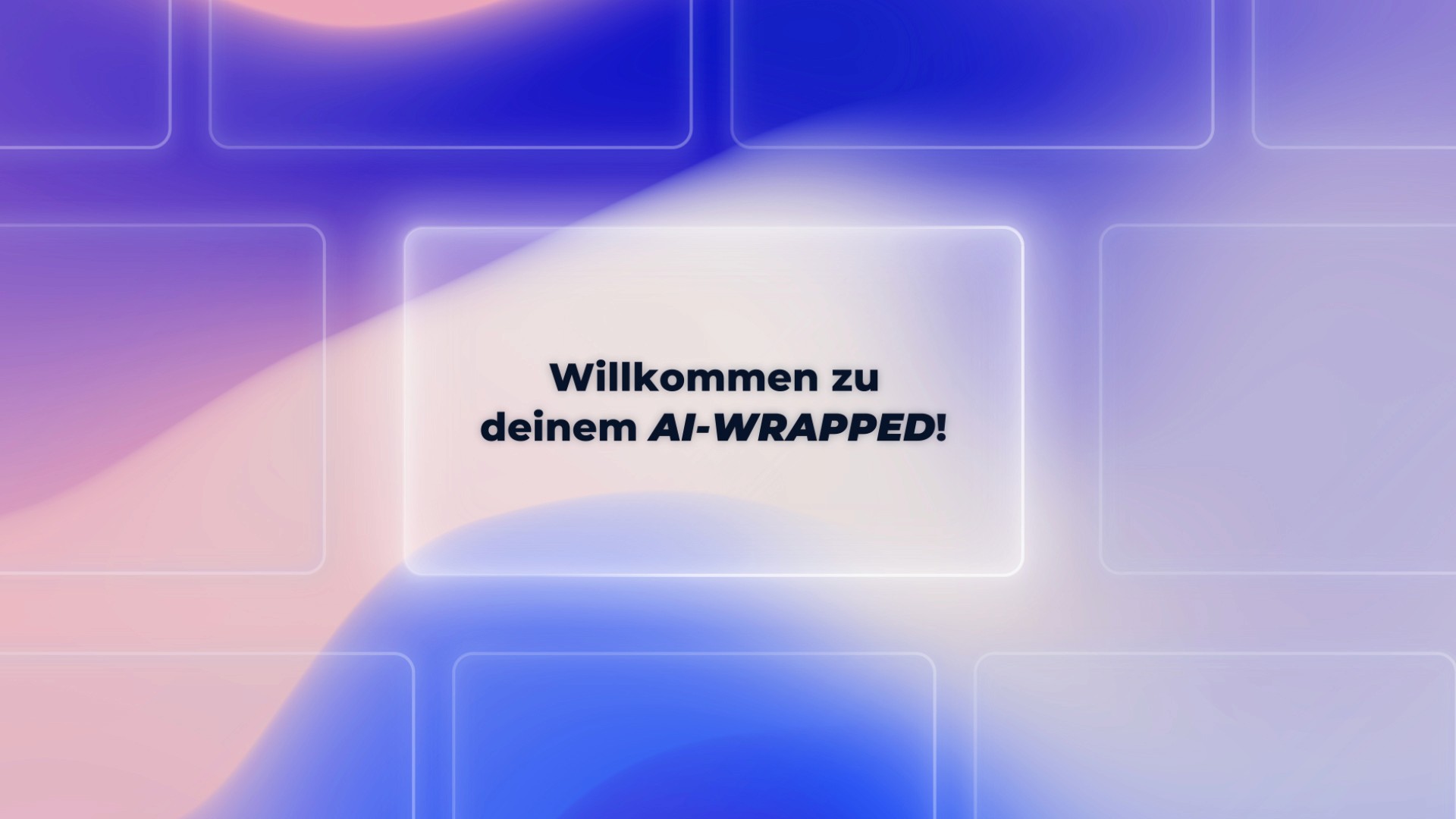
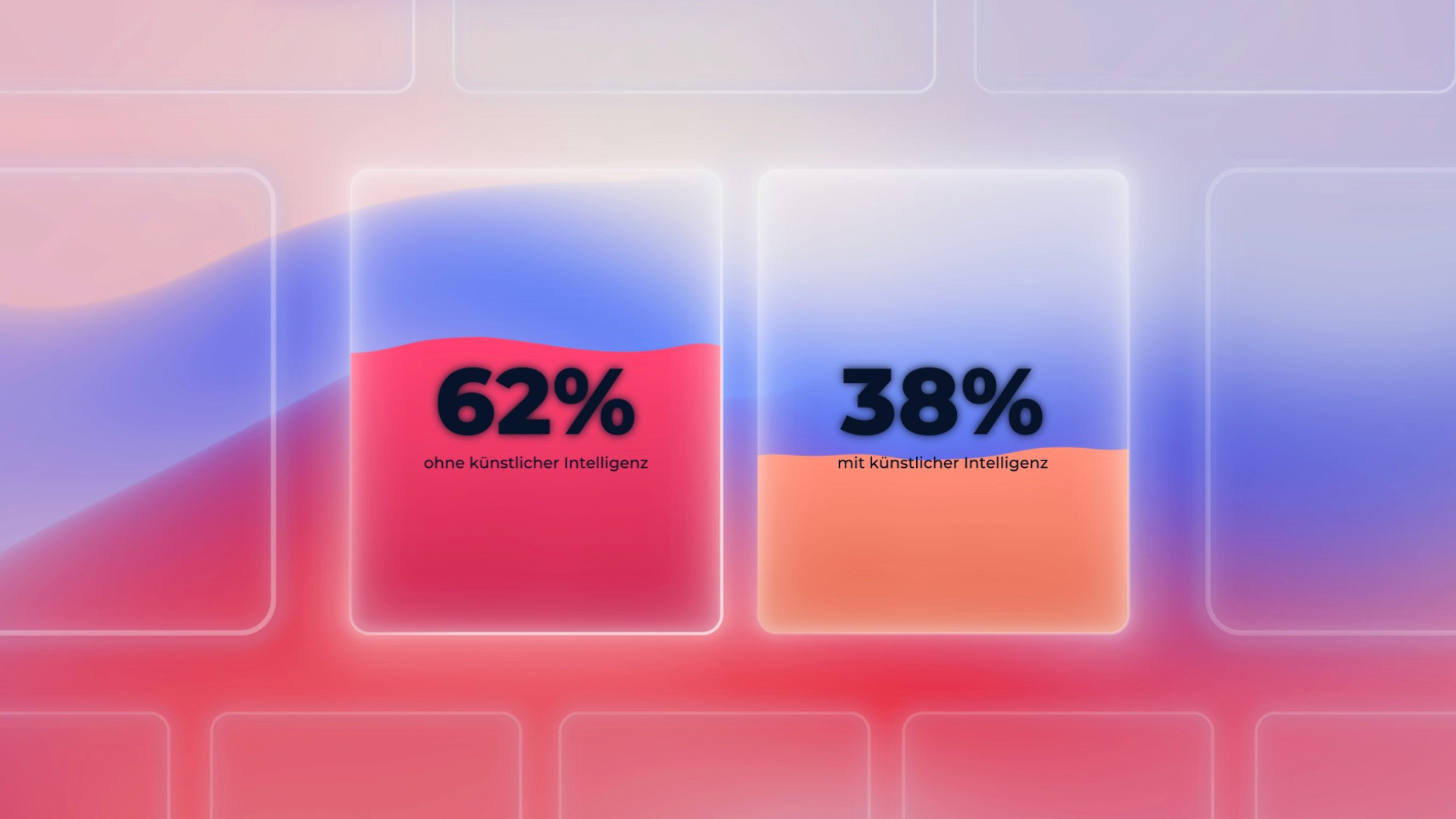
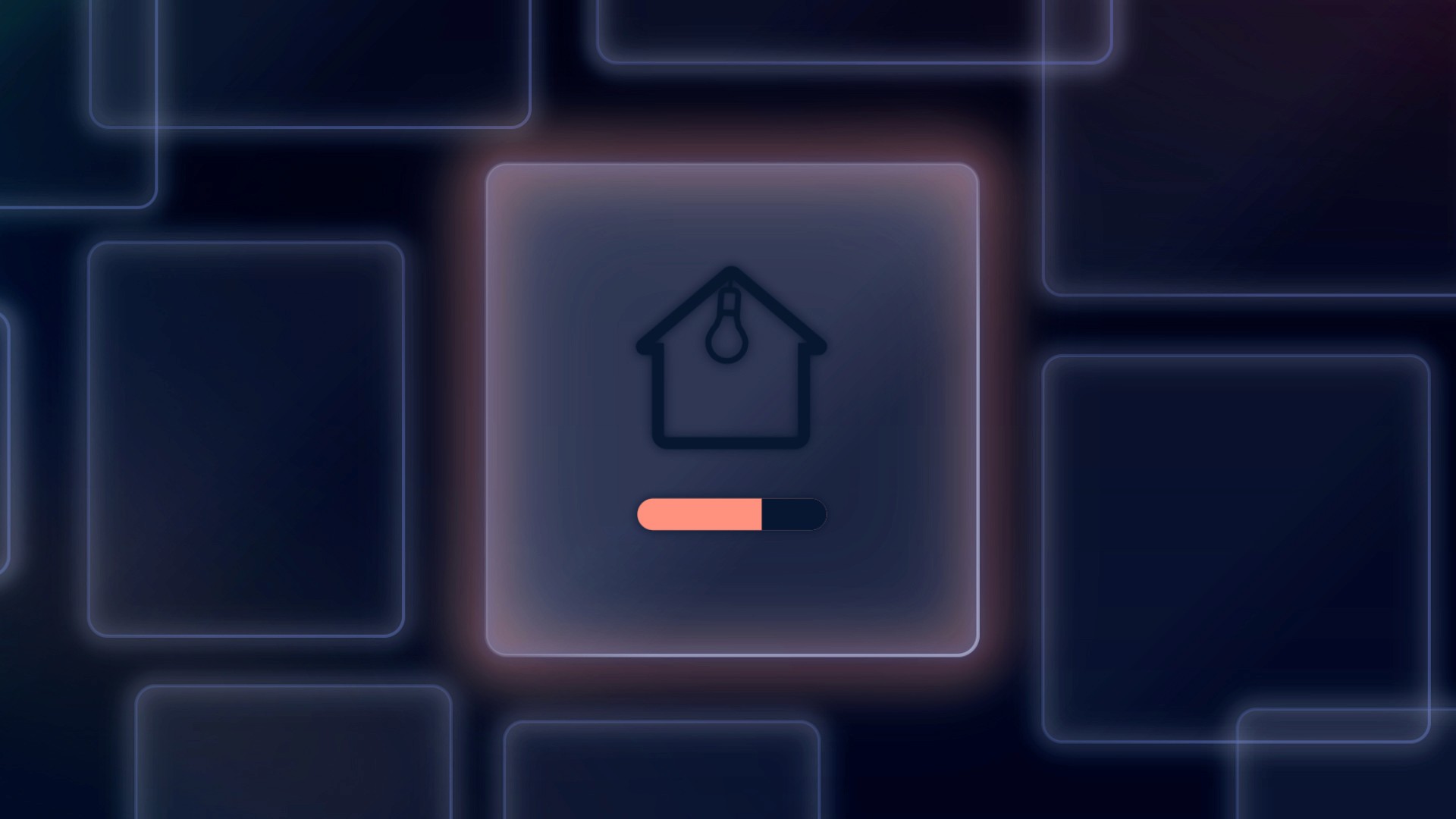
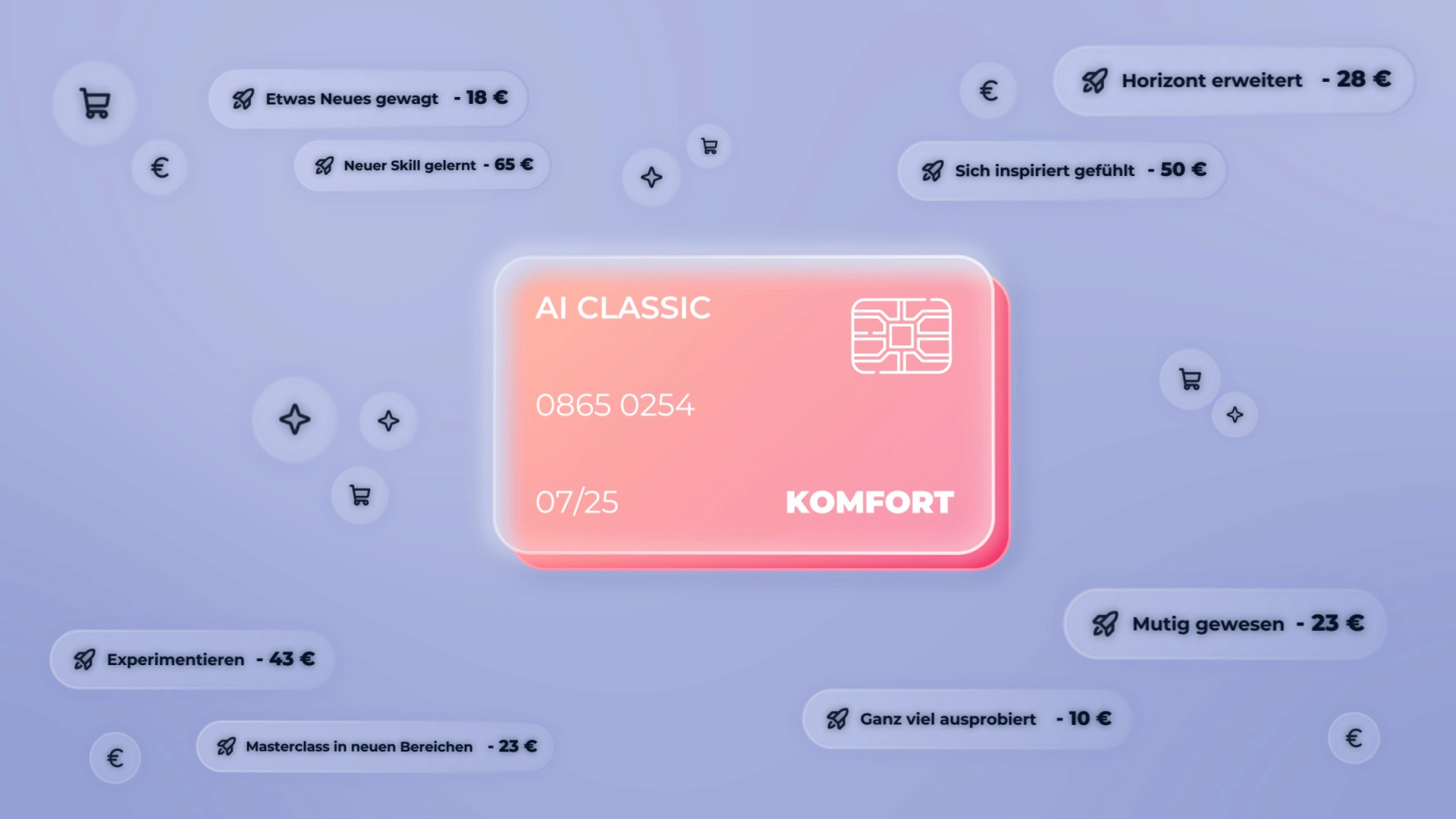
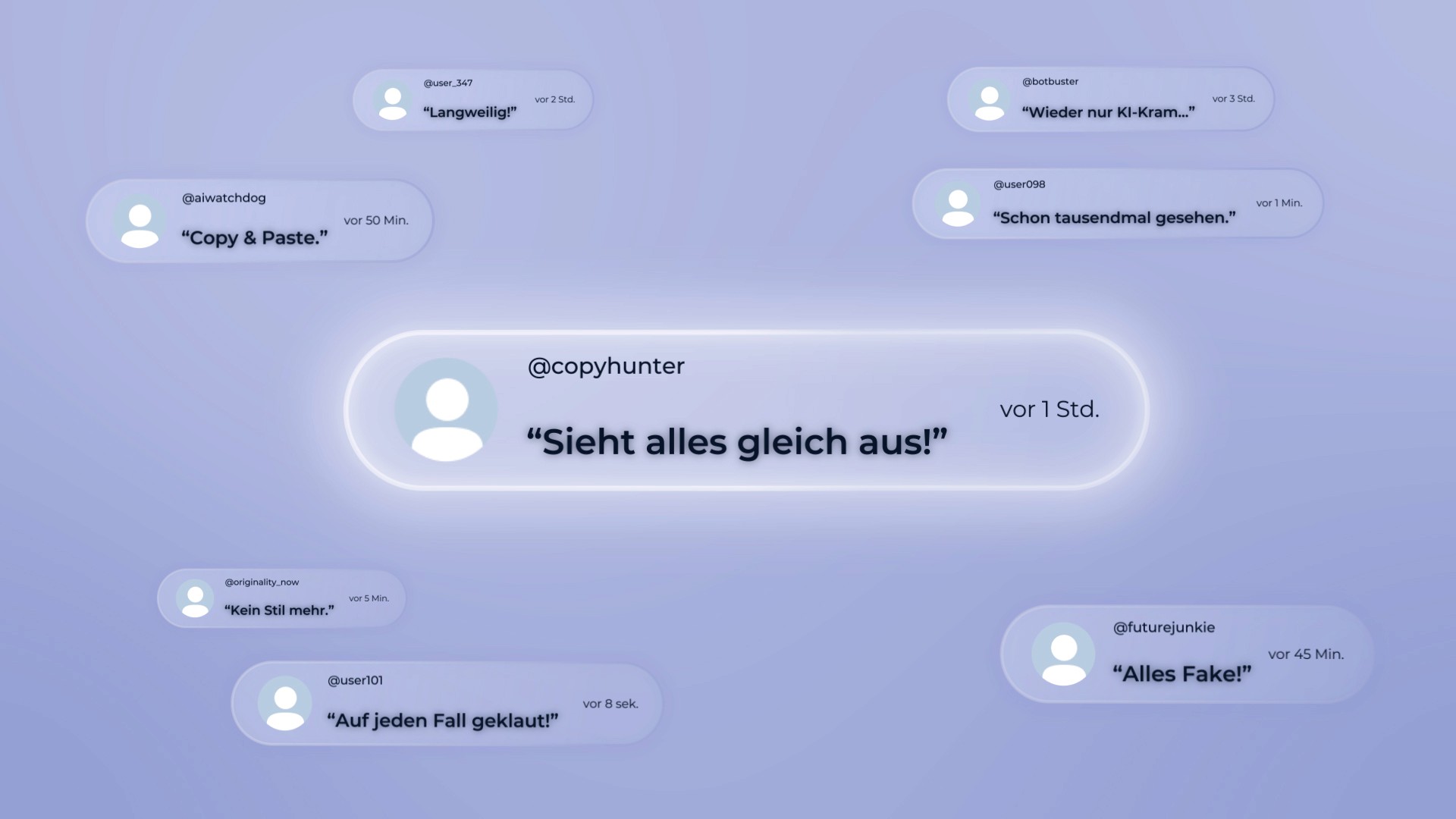
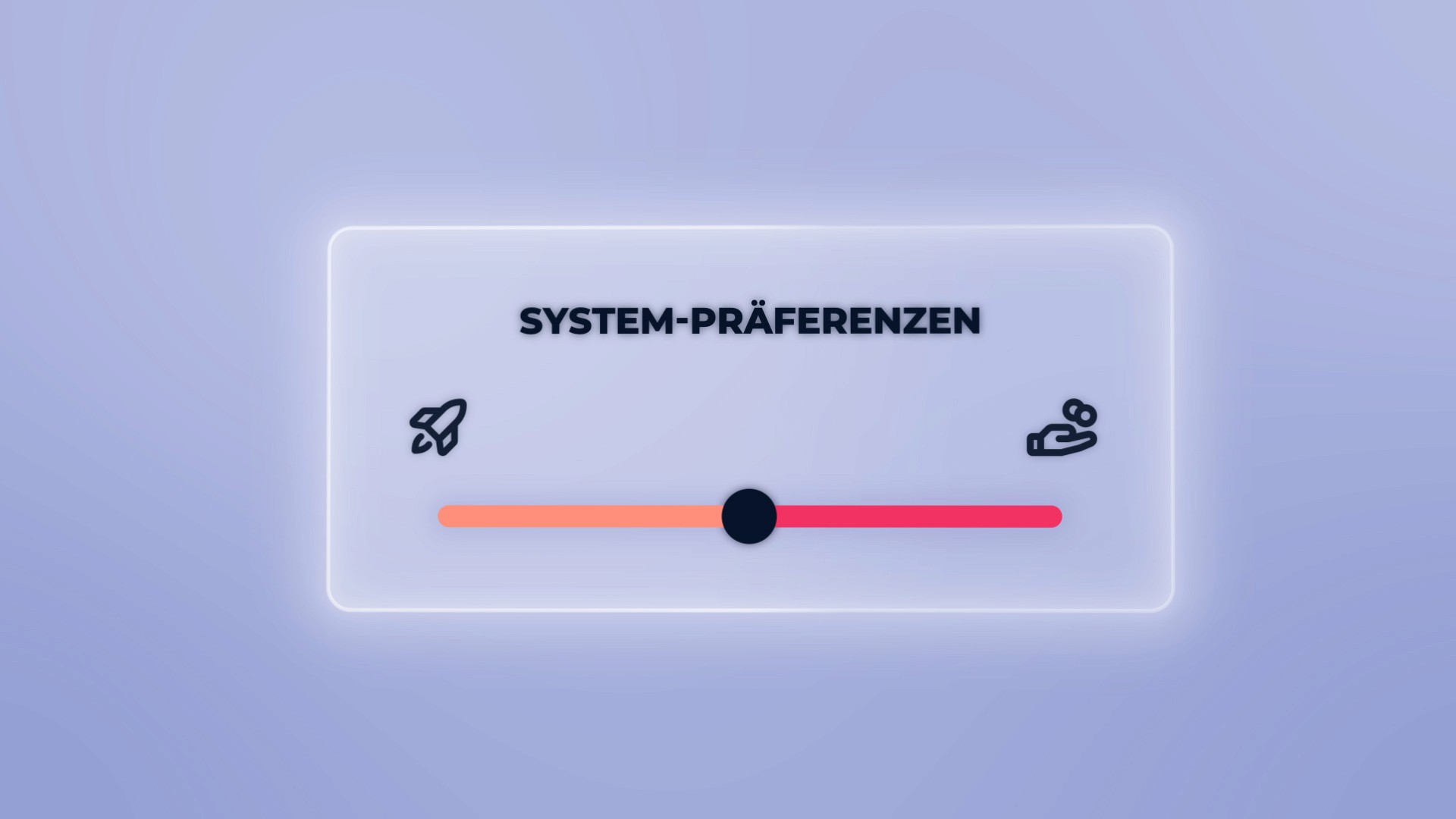
The film follows a three-part dramatic structure to illustrate the internal conflict. AI Wrapped: The first act adopts the upbeat, data-driven aesthetic of Spotify Wrapped. Through a clean, glassmorphism-inspired design, it visualizes the gains in efficiency and the intense use of AI tools. Skill Crash: A deliberate rupture breaks through the optimistic narrative. The sleek interface collapses, revealing a flawed, retro-futuristic terminal layer beneath. This visual disruption symbolizes a “system failure”—the moment when dependence on external tools leads to the erosion of one’s own fundamental creative skills (“Skill not found”). Reflection: After the crash, the visuals calm down. Instead of offering a resolution or conclusion, the film ends with an open question. The focus shifts from personal narrative to collective reflection, inviting a broader conversation about our relationship with AI.
result
The outcome is a 111-second infographic film that doesn’t aim to close the debate around AI—but to open it deliberately. It ends with an unanswered question, reflecting the project’s core insight: there is no universal answer, only a personal way of dealing with the issue.
learning
The visual exploration became a direct parallel to the exploration of AI itself. The time invested in shaping the film’s visual language proved essential to finding the right balance—just as it is when integrating AI thoughtfully into one’s creative workflow. Through this process, my own perspective has become clearer: AI does not replace the act of designing—it expands it. The real skill lies in making conscious decisions about where the tool can enhance and support one’s process without surrendering creative control. It’s not a matter of if, but of how.
Project Details
problem
The discourse surrounding artificial intelligence in design is often polarized and abstract—caught between technological hype and dystopian warnings. For designers and students alike, this makes it difficult to form an informed, independent perspective. What’s missing are relatable narratives that capture the everyday ambivalence of using AI: its immediate benefits and its hidden costs.
insight
To make the abstract debate tangible, it needs to be brought down to a personal level. A data-driven, narrative case study in the familiar “Wrapped” format offers an accessible entry point into this complex topic. By visualizing one’s own usage data, the consequences of individual actions become immediately visible—creating the foundation for an honest and reflective engagement with the subject.
solution
The film follows a three-part dramatic structure to illustrate the internal conflict. AI Wrapped: The first act adopts the upbeat, data-driven aesthetic of Spotify Wrapped. Through a clean, glassmorphism-inspired design, it visualizes the gains in efficiency and the intense use of AI tools. Skill Crash: A deliberate rupture breaks through the optimistic narrative. The sleek interface collapses, revealing a flawed, retro-futuristic terminal layer beneath. This visual disruption symbolizes a “system failure”—the moment when dependence on external tools leads to the erosion of one’s own fundamental creative skills (“Skill not found”). Reflection: After the crash, the visuals calm down. Instead of offering a resolution or conclusion, the film ends with an open question. The focus shifts from personal narrative to collective reflection, inviting a broader conversation about our relationship with AI.
result
The outcome is a 111-second infographic film that doesn’t aim to close the debate around AI—but to open it deliberately. It ends with an unanswered question, reflecting the project’s core insight: there is no universal answer, only a personal way of dealing with the issue.
learning
The visual exploration became a direct parallel to the exploration of AI itself. The time invested in shaping the film’s visual language proved essential to finding the right balance—just as it is when integrating AI thoughtfully into one’s creative workflow. Through this process, my own perspective has become clearer: AI does not replace the act of designing—it expands it. The real skill lies in making conscious decisions about where the tool can enhance and support one’s process without surrendering creative control. It’s not a matter of if, but of how.
Project Details
problem
The discourse surrounding artificial intelligence in design is often polarized and abstract—caught between technological hype and dystopian warnings. For designers and students alike, this makes it difficult to form an informed, independent perspective. What’s missing are relatable narratives that capture the everyday ambivalence of using AI: its immediate benefits and its hidden costs.
insight
To make the abstract debate tangible, it needs to be brought down to a personal level. A data-driven, narrative case study in the familiar “Wrapped” format offers an accessible entry point into this complex topic. By visualizing one’s own usage data, the consequences of individual actions become immediately visible—creating the foundation for an honest and reflective engagement with the subject.
solution
The film follows a three-part dramatic structure to illustrate the internal conflict. AI Wrapped: The first act adopts the upbeat, data-driven aesthetic of Spotify Wrapped. Through a clean, glassmorphism-inspired design, it visualizes the gains in efficiency and the intense use of AI tools. Skill Crash: A deliberate rupture breaks through the optimistic narrative. The sleek interface collapses, revealing a flawed, retro-futuristic terminal layer beneath. This visual disruption symbolizes a “system failure”—the moment when dependence on external tools leads to the erosion of one’s own fundamental creative skills (“Skill not found”). Reflection: After the crash, the visuals calm down. Instead of offering a resolution or conclusion, the film ends with an open question. The focus shifts from personal narrative to collective reflection, inviting a broader conversation about our relationship with AI.
result
The outcome is a 111-second infographic film that doesn’t aim to close the debate around AI—but to open it deliberately. It ends with an unanswered question, reflecting the project’s core insight: there is no universal answer, only a personal way of dealing with the issue.
learning
The visual exploration became a direct parallel to the exploration of AI itself. The time invested in shaping the film’s visual language proved essential to finding the right balance—just as it is when integrating AI thoughtfully into one’s creative workflow. Through this process, my own perspective has become clearer: AI does not replace the act of designing—it expands it. The real skill lies in making conscious decisions about where the tool can enhance and support one’s process without surrendering creative control. It’s not a matter of if, but of how.
Project Details
problem
The discourse surrounding artificial intelligence in design is often polarized and abstract—caught between technological hype and dystopian warnings. For designers and students alike, this makes it difficult to form an informed, independent perspective. What’s missing are relatable narratives that capture the everyday ambivalence of using AI: its immediate benefits and its hidden costs.
insight
To make the abstract debate tangible, it needs to be brought down to a personal level. A data-driven, narrative case study in the familiar “Wrapped” format offers an accessible entry point into this complex topic. By visualizing one’s own usage data, the consequences of individual actions become immediately visible—creating the foundation for an honest and reflective engagement with the subject.
solution
The film follows a three-part dramatic structure to illustrate the internal conflict. AI Wrapped: The first act adopts the upbeat, data-driven aesthetic of Spotify Wrapped. Through a clean, glassmorphism-inspired design, it visualizes the gains in efficiency and the intense use of AI tools. Skill Crash: A deliberate rupture breaks through the optimistic narrative. The sleek interface collapses, revealing a flawed, retro-futuristic terminal layer beneath. This visual disruption symbolizes a “system failure”—the moment when dependence on external tools leads to the erosion of one’s own fundamental creative skills (“Skill not found”). Reflection: After the crash, the visuals calm down. Instead of offering a resolution or conclusion, the film ends with an open question. The focus shifts from personal narrative to collective reflection, inviting a broader conversation about our relationship with AI.
result
The outcome is a 111-second infographic film that doesn’t aim to close the debate around AI—but to open it deliberately. It ends with an unanswered question, reflecting the project’s core insight: there is no universal answer, only a personal way of dealing with the issue.
learning
The visual exploration became a direct parallel to the exploration of AI itself. The time invested in shaping the film’s visual language proved essential to finding the right balance—just as it is when integrating AI thoughtfully into one’s creative workflow. Through this process, my own perspective has become clearer: AI does not replace the act of designing—it expands it. The real skill lies in making conscious decisions about where the tool can enhance and support one’s process without surrendering creative control. It’s not a matter of if, but of how.
Ready for my internship. (I think.)
Ready for my internship. (I think.)
Ready for my internship. (I think.)