The Big Match
(though nobody knew the rules)
(though nobody knew the rules)
Overview
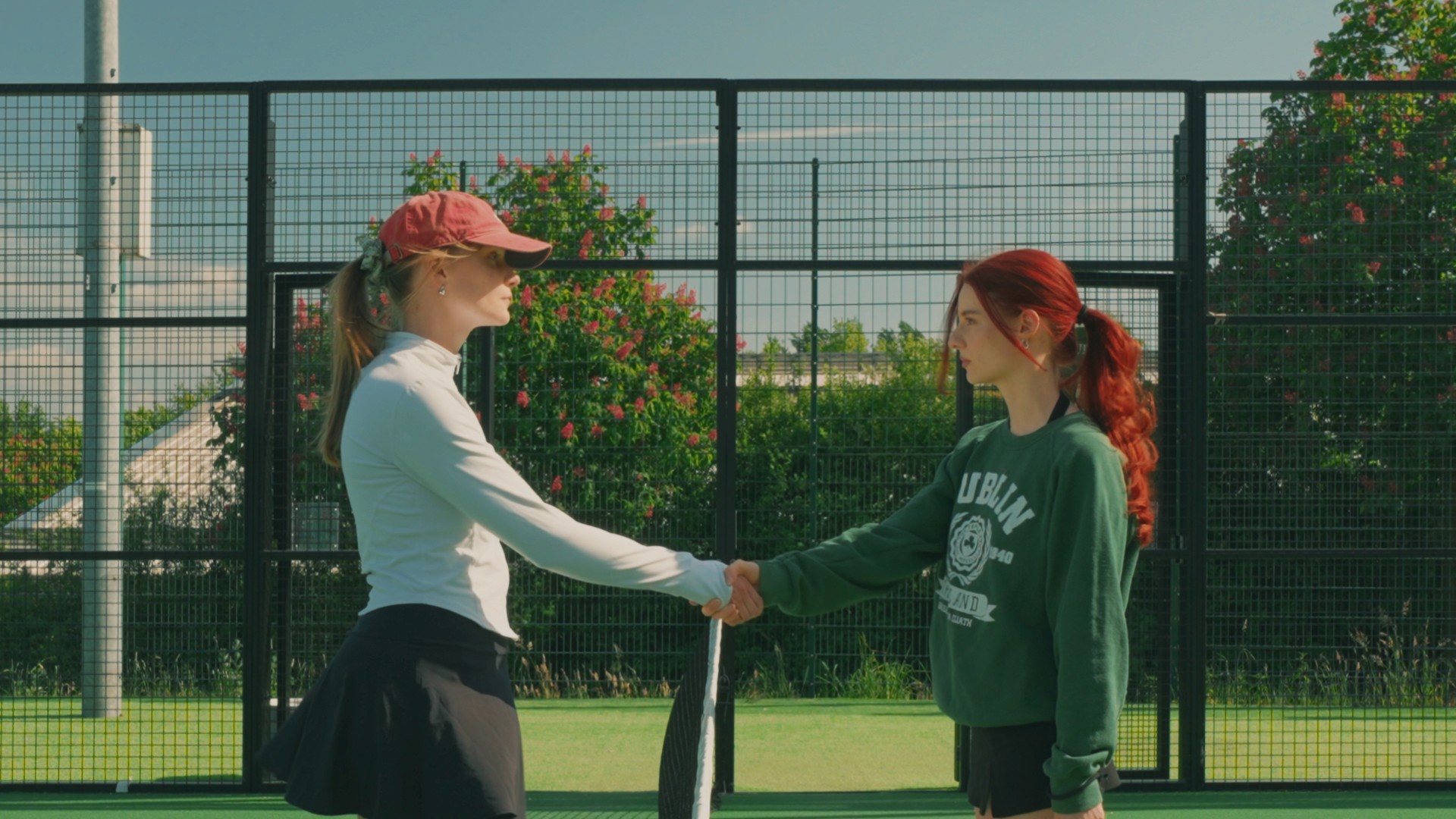
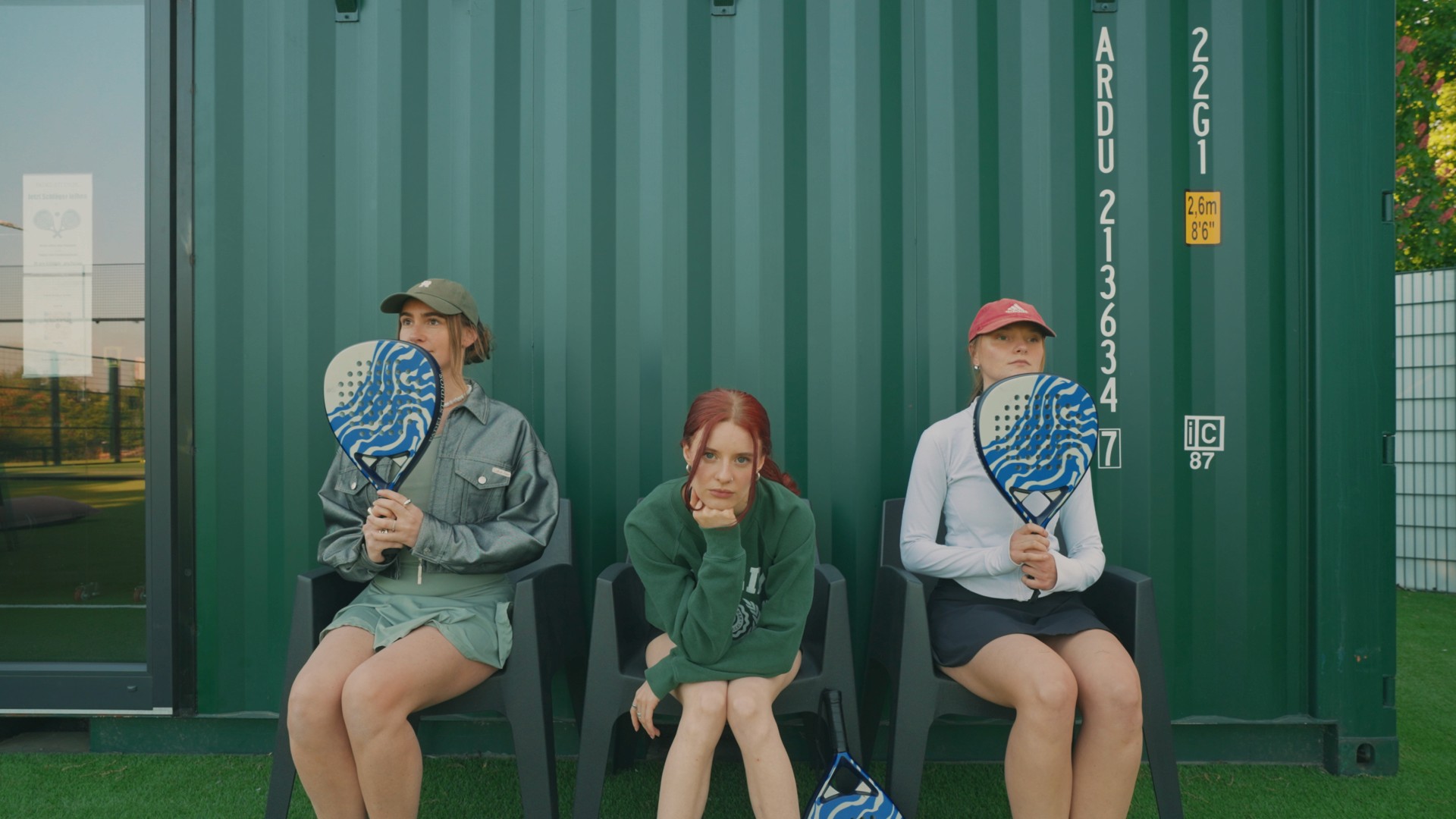
This project is a cinematic exercise with a clear focus on composition and color grading. The task was to create a short narrative scene inspired by the visual language of Wes Anderson. The result is a playful, humorous short film that stages an absurd, rule-free padel match using static, symmetrical framing and a boldly stylized color palette.
project
Motion Design (solo project)
semester
summer 2025
focus / role
Art Direction Camera & Editing Color Grading
software
Adobe After Effects Adobe Premiere Pro
ai assistance
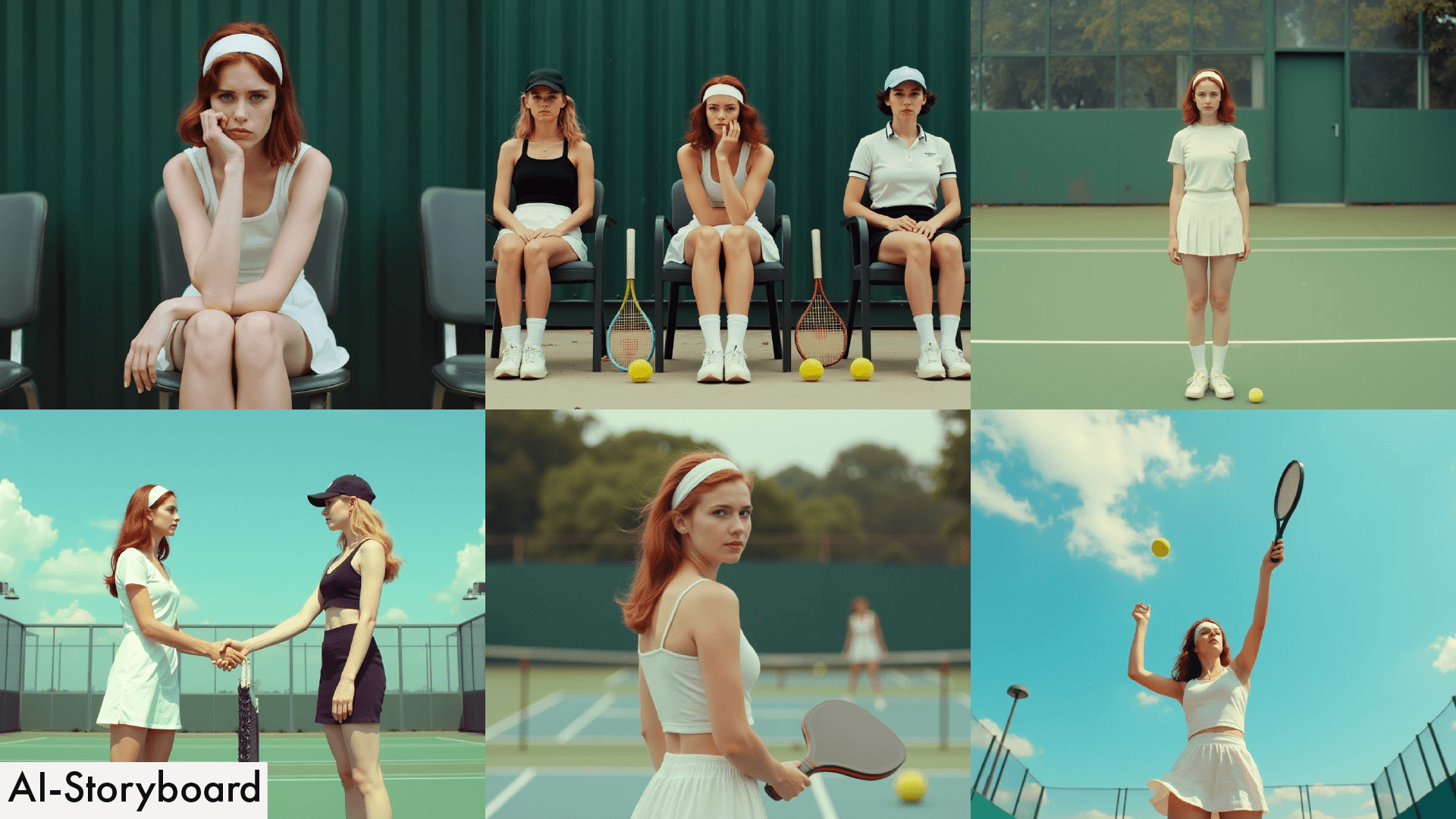
Midjourney (Storyboard)
Project Details
problem
The assignment combined technical and stylistic demands: producing a short film in which the filmmaking craft itself takes center stage. The objective was to not only understand but actively apply the principles of symmetrical composition and stylized grading. The guiding question: How can a distinctive, instantly recognizable aesthetic be translated into a simple narrative sequence?
insight
Analyzing Wes Anderson’s cinematic style revealed a set of clear visual rules: strict symmetry, a controlled and reduced color palette, and a static, almost theatrical camera presence. A padel court — with its lines, grids, and net structures — provided a ready-made geometric setting. Recognizing the location as a natural stage for this highly regulated visual approach was key to executing the style authentically.
solution
The process began with an AI-supported moodboard to establish composition and color direction. Every creative decision followed this visual premise. The camera remained fixed and centered, making full use of the court’s symmetry. Wardrobe and props were color-coordinated with the environment to maintain a harmonious, minimalist palette. The “match without rules” narrative served as a simple storytelling frame, shifting the focus entirely to visual staging and dry comedic timing.
result
The final piece functions as a focused style study — demonstrating how specific cinematic tools shape mood and storytelling.
learning
Filming in a public space introduced logistical challenges, requiring precise planning to maintain control over framing and pacing. The project significantly strengthened technical skills in color grading as a storytelling tool. The main takeaway: a clear stylistic framework can guide and streamline the entire creative process, from pre-production to post.
Project Details
problem
The assignment combined technical and stylistic demands: producing a short film in which the filmmaking craft itself takes center stage. The objective was to not only understand but actively apply the principles of symmetrical composition and stylized grading. The guiding question: How can a distinctive, instantly recognizable aesthetic be translated into a simple narrative sequence?
insight
Analyzing Wes Anderson’s cinematic style revealed a set of clear visual rules: strict symmetry, a controlled and reduced color palette, and a static, almost theatrical camera presence. A padel court — with its lines, grids, and net structures — provided a ready-made geometric setting. Recognizing the location as a natural stage for this highly regulated visual approach was key to executing the style authentically.
solution
The process began with an AI-supported moodboard to establish composition and color direction. Every creative decision followed this visual premise. The camera remained fixed and centered, making full use of the court’s symmetry. Wardrobe and props were color-coordinated with the environment to maintain a harmonious, minimalist palette. The “match without rules” narrative served as a simple storytelling frame, shifting the focus entirely to visual staging and dry comedic timing.
result
The final piece functions as a focused style study — demonstrating how specific cinematic tools shape mood and storytelling.
learning
Filming in a public space introduced logistical challenges, requiring precise planning to maintain control over framing and pacing. The project significantly strengthened technical skills in color grading as a storytelling tool. The main takeaway: a clear stylistic framework can guide and streamline the entire creative process, from pre-production to post.
Project Details
problem
The assignment combined technical and stylistic demands: producing a short film in which the filmmaking craft itself takes center stage. The objective was to not only understand but actively apply the principles of symmetrical composition and stylized grading. The guiding question: How can a distinctive, instantly recognizable aesthetic be translated into a simple narrative sequence?
insight
Analyzing Wes Anderson’s cinematic style revealed a set of clear visual rules: strict symmetry, a controlled and reduced color palette, and a static, almost theatrical camera presence. A padel court — with its lines, grids, and net structures — provided a ready-made geometric setting. Recognizing the location as a natural stage for this highly regulated visual approach was key to executing the style authentically.
solution
The process began with an AI-supported moodboard to establish composition and color direction. Every creative decision followed this visual premise. The camera remained fixed and centered, making full use of the court’s symmetry. Wardrobe and props were color-coordinated with the environment to maintain a harmonious, minimalist palette. The “match without rules” narrative served as a simple storytelling frame, shifting the focus entirely to visual staging and dry comedic timing.
result
The final piece functions as a focused style study — demonstrating how specific cinematic tools shape mood and storytelling.
learning
Filming in a public space introduced logistical challenges, requiring precise planning to maintain control over framing and pacing. The project significantly strengthened technical skills in color grading as a storytelling tool. The main takeaway: a clear stylistic framework can guide and streamline the entire creative process, from pre-production to post.
Project Details
problem
The assignment combined technical and stylistic demands: producing a short film in which the filmmaking craft itself takes center stage. The objective was to not only understand but actively apply the principles of symmetrical composition and stylized grading. The guiding question: How can a distinctive, instantly recognizable aesthetic be translated into a simple narrative sequence?
insight
Analyzing Wes Anderson’s cinematic style revealed a set of clear visual rules: strict symmetry, a controlled and reduced color palette, and a static, almost theatrical camera presence. A padel court — with its lines, grids, and net structures — provided a ready-made geometric setting. Recognizing the location as a natural stage for this highly regulated visual approach was key to executing the style authentically.
solution
The process began with an AI-supported moodboard to establish composition and color direction. Every creative decision followed this visual premise. The camera remained fixed and centered, making full use of the court’s symmetry. Wardrobe and props were color-coordinated with the environment to maintain a harmonious, minimalist palette. The “match without rules” narrative served as a simple storytelling frame, shifting the focus entirely to visual staging and dry comedic timing.
result
The final piece functions as a focused style study — demonstrating how specific cinematic tools shape mood and storytelling.
learning
Filming in a public space introduced logistical challenges, requiring precise planning to maintain control over framing and pacing. The project significantly strengthened technical skills in color grading as a storytelling tool. The main takeaway: a clear stylistic framework can guide and streamline the entire creative process, from pre-production to post.
Ready for my internship. (I think.)
Ready for my internship. (I think.)
Ready for my internship. (I think.)